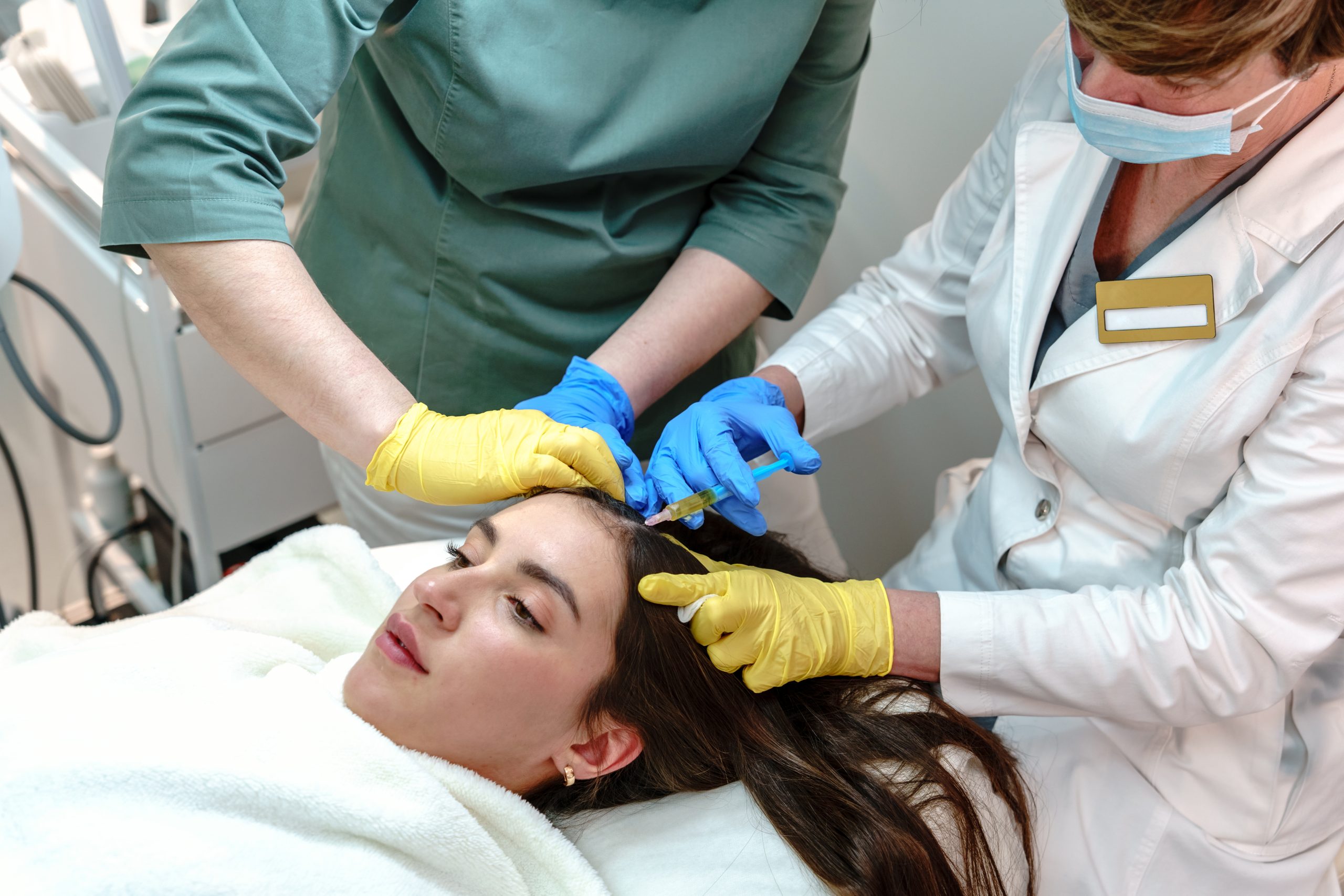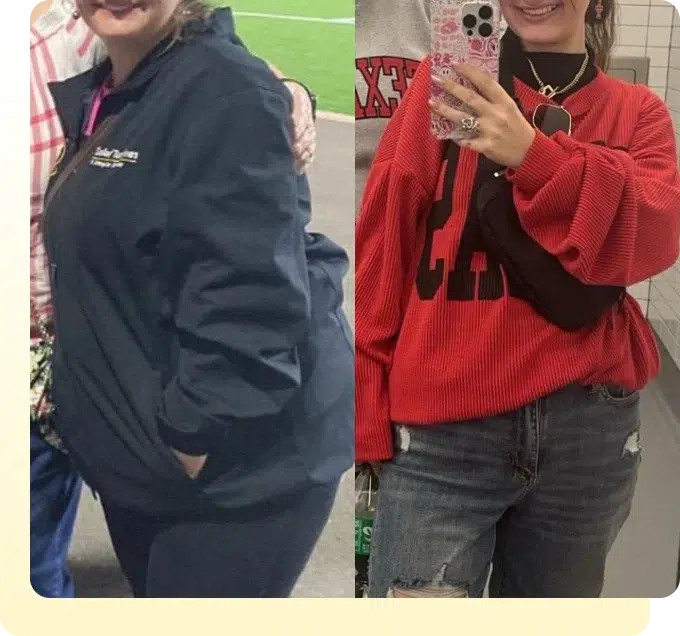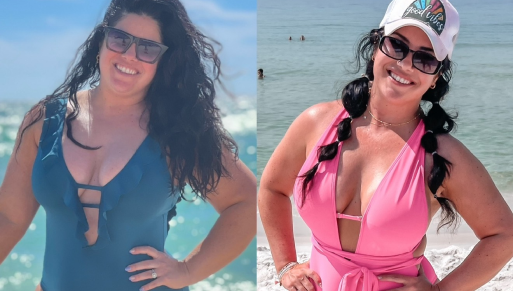

When reality TV star Jimmy Presnell debuted a dramatic new look, fans of Love Is Blind and Perfect Match could hardly believe the change. Alongside a 30-pound weight loss, Presnell openly documented his hair restoration journey on social media — and, as reported by outlets including People and Parade, that journey included platelet-rich plasma (PRP) therapy in addition to a hair transplant. His willingness to talk openly about it has put a spotlight on a treatment that thousands of everyday men and women quietly use to fight thinning hair.
Presnell’s story is his own, and he had his procedures at clinics of his choosing — not with us. But it’s a useful, public example of how PRP fits into a modern hair-restoration plan. So let’s use it as a starting point to explain what PRP actually is, why it’s so often paired with transplants, and what realistic results look like.
What Presnell Said About PRP
According to his own social media videos and interviews, Presnell began noticing his hairline receding in college and decided to act after appearing on television. He underwent a hair transplant and, as reported by People, also added PRP treatments — which he said ran roughly $400 to $600 per session — as part of the process. He described the overall transformation as a major confidence boost.
What’s worth noticing is the pattern, not the celebrity: Presnell didn’t rely on PRP alone, and he didn’t rely on the transplant alone. He combined them. That combination — surgical restoration plus regenerative support — is exactly how many hair specialists approach a complete plan.
What Is PRP, and How Does It Work?
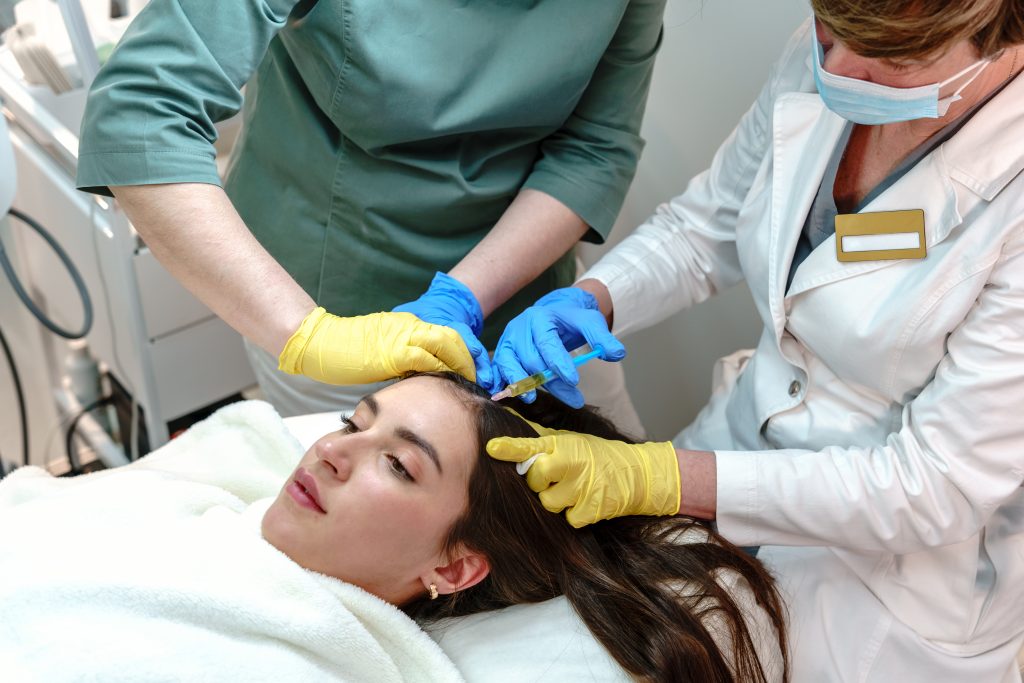
Platelet-rich plasma is made from your own blood. A small sample is drawn, then spun in a centrifuge to concentrate the platelets — the cells packed with growth factors your body naturally uses to repair tissue. That concentrated plasma is injected into the scalp, delivering a burst of growth factors directly to the hair follicles.
The goal is to wake up follicles that have weakened but aren’t gone. Hair grows in cycles, moving through a growth phase and a resting phase before shedding. In pattern hair loss, follicles gradually shrink — a process called miniaturization. Research collected by the National Institutes of Health describes androgenetic alopecia as a progressive condition affecting roughly half of all people over a lifetime, and PRP is one of the regenerative approaches studied for slowing and partly reversing that miniaturization.
Does the Science Support PRP?
PRP has become one of the most researched non-surgical hair treatments. A systematic review indexed by the U.S. National Library of Medicine found that in the majority of studies reviewed, patients receiving PRP saw improvement, with measurable increases in hair growth and thickness — and that combining PRP with minoxidil produced some of the highest improvement rates of all. That theme of combination therapy shows up again and again in the literature.
It’s important to stay grounded, though. PRP is not a cure and not a transplant. It works best on early-to-moderate thinning where follicles are still alive, and results build gradually over months rather than overnight. For the right person, it can meaningfully improve density and help preserve existing hair — which is precisely why it’s so often used as a supporting player rather than a standalone fix.
Why PRP and Hair Transplants Are Often Combined
Presnell’s approach — transplant plus PRP — reflects a common strategy. A transplant relocates healthy follicles to thinning areas, but it does nothing to protect the native hair around them, which can keep thinning over time. PRP is frequently added for two reasons: to support the health and survival of transplanted grafts during the delicate healing period, and to strengthen the surrounding native hair so the overall result looks fuller and lasts longer.
In other words, the transplant rebuilds the hairline, and PRP helps protect the investment. Even for people who aren’t candidates for surgery — or who simply want to start with something less invasive — PRP on its own can be a reasonable first step to slow shedding and thicken thinning areas.
What to Expect From PRP Treatment
A typical PRP course begins with three to four sessions spaced about four to six weeks apart, followed by maintenance sessions every six to twelve months. Each visit usually takes under an hour, uses only a fine needle, and requires essentially no downtime — most people head straight back to their day with only minor, short-lived tenderness. Because hair grows slowly, most patients notice reduced shedding first, with visible thickness developing over three to six months.
As with any medical treatment, a proper evaluation comes first. Hair loss in both men and women can stem from genetics, hormones, thyroid issues, stress-related shedding such as telogen effluvium, or nutritional factors — and the right plan depends entirely on the cause. PRP is also generally avoided during pregnancy and for people with certain blood-clotting conditions, which a consultation will screen for.
Thinking About PRP for Your Own Hair?
You don’t need to be on reality TV to explore what PRP can do. If thinning hair is affecting your confidence, the best first step is a consultation with a provider who evaluates the cause before recommending a plan. At PRP Treatment Clinic, our licensed team offers PRP hair restoration in Fort Worth, PRP hair restoration in Colleyville, and our full PRP hair restoration program across Texas. To find out whether PRP is right for you, contact our team and schedule a personalized evaluation.
Celebrity transformations grab headlines, but the real story is simpler: PRP is an accessible, low-downtime, science-backed option that fits into a bigger hair-restoration picture. Whether on its own or alongside other treatments, it’s helping everyday people — not just TV stars — feel more like themselves again.
Because PRP uses your own blood, it carries a very low risk of allergic reaction or rejection — there’s no foreign substance and no synthetic drug involved. That safety profile is a big part of why it has become so popular as a first step or an add-on. The most common side effects are minor and temporary: some tenderness, redness, or mild swelling at the injection sites that typically fades within a day or two.
Common Questions About PRP for Hair
Did Jimmy Presnell get PRP at PRP Treatment Clinic? No. Presnell has publicly shared that his hair transplant and PRP were done at clinics of his own choosing, not with us. We reference his story only because he made it public and it’s a helpful, real-world example of how PRP fits into hair restoration.
Can PRP replace a hair transplant? Not exactly — they do different jobs. A transplant physically relocates follicles to restore a hairline, while PRP stimulates and supports existing follicles. Many people use PRP on its own for early thinning, and others combine it with a transplant, as Presnell described, to support healing and protect native hair.
How long do PRP results last? Results are not permanent on their own. Most plans include maintenance sessions every six to twelve months, because PRP supports the ongoing hair-growth cycle rather than changing it forever. Consistency is what sustains the benefit.
Is PRP only for men? No. PRP is used for both men and women. Female pattern hair loss is extremely common — more than 21 million women in the U.S. are affected, according to NIH-published research — and PRP is one of the non-surgical options often considered for early-to-moderate thinning in women as well as men.
How much does PRP cost? Pricing varies by provider, region, and how many sessions are needed. Public figures like Presnell have cited ranges in the several-hundred-dollars-per-session area, but the only accurate number for your situation comes from a direct consultation, since plans are tailored to your hair and goals.
Disclaimer
This article references publicly reported information about Jimmy Presnell for educational and illustrative purposes only. Mr. Presnell is not a patient of, affiliated with, or an endorser of PRP Treatment Clinic, and his procedures were performed elsewhere. This content is for general educational purposes and does not constitute medical advice. Individual PRP results vary and are not guaranteed. Any treatment should follow a personal evaluation by a licensed provider who has reviewed your medical history. Consult a healthcare professional before starting any treatment for hair loss.