
Many adults in Midlothian balance demanding schedules tied to manufacturing industries, healthcare systems, construction trades, logistics operations, and growing residential communities throughout Ellis County. Daily commuting between Midlothian, Waxahachie, Mansfield, Cedar Hill, and nearby areas can make maintaining consistent nutrition habits, exercise routines, and long-term weight-management progress increasingly difficult over time.
PRP Treatment Clinic serves patients in Midlothian, TX through secure telehealth consultations designed to evaluate eligibility for physician-guided metabolic support. If appropriate, retatrutide weight loss injection in Midlothian, TX may be prescribed under licensed medical supervision and shipped directly to eligible patients’ homes, with ongoing provider monitoring throughout treatment to support safe and sustainable progress.
How It Works
Retatrutide is an investigational peptide therapy being researched for its potential benefits in medically supervised weight management and metabolic health support. Unlike earlier injectable treatments that typically focus on a single hormone pathway, retatrutide works by targeting three receptor systems involved in appetite regulation and energy balance:
GLP-1 receptors
GIP receptors
Glucagon receptors
Together, these pathways may influence several biological functions connected to long-term metabolic support, including:
Appetite regulation
Calorie balance
Insulin response
Energy utilization
Meal satisfaction and satiety
Because retatrutide activates multiple metabolic pathways simultaneously, providers may consider it for adults who have struggled to maintain meaningful progress through traditional diet plans, exercise programs, or earlier injectable therapies alone.
Advantages
Patients participating in physician-guided retatrutide injections in Midlothian through telehealth consultation may experience improvements such as:
Reduced appetite intensity
Fewer cravings between meals
Improved portion awareness
Steadier daily energy levels
Stronger consistency with nutrition routines
Gradual body-composition changes over time
Treatment plans are individualized according to provider evaluation, medical history, and wellness goals.

Difference
Many injectable weight-management therapies available today primarily focus on a single metabolic pathway related to appetite control. Retatrutide stands apart by activating three receptor pathways at the same time:
✅ GLP-1
❌ GIP
❌ Glucagon
Avg. Weight Loss (48 wks)
~15%
✅ GLP-1
✅ GIP
❌ Glucagon
Avg. Weight Loss (48 wks)
~21%
✅ GLP-1
✅ GIP
✅ Glucagon
Avg. Weight Loss (48 wks)
~24%
GLP‑1: Suppresses appetite and slows digestion so you feel full longer.
GIP: Stimulates insulin release and supports better glucose control.
Glucagon receptor activation: Boosts fat metabolism and increases calorie burn.
This broader metabolic strategy may help support several systems associated with weight management rather than concentrating on only one biological mechanism.
Traditional GLP-1 therapies commonly work by slowing digestion and reducing hunger signals. While beneficial for many patients, some individuals continue experiencing challenges involving cravings, energy balance, or long-term metabolic adaptation. Adults throughout Midlothian and nearby communities such as Waxahachie, Mansfield, Cedar Hill, Ovilla, and Red Oak who have struggled to maintain results through lifestyle-only efforts may benefit from physician-guided retatrutide therapy available for Midlothian residents through telehealth consultation.
Who Qualifies

Retatrutide therapy may be appropriate for adults seeking medically supervised support for weight management and metabolic wellness improvement.
You may qualify if you:
Have a BMI of 30 or higher
Have a BMI of 27 or higher with metabolic risk factors
Experience insulin resistance
Struggle with appetite regulation
Have reached a weight-loss plateau
Notice changes in metabolism with age
Have not achieved the desired progress through diet and exercise alone
Are medically evaluated and approved by a licensed provider
Patients throughout Midlothian and surrounding Ellis County communities can begin eligibility evaluation through secure telehealth consultation.
Timeline
Patients receiving retatrutide therapy through telehealth consultation often notice gradual improvements as treatment progresses.
Month 1 and 2
Many patients begin noticing:
Reduced hunger signals, improved portion awareness, fewer between-meal cravings
These early adjustments help support consistency with nutrition strategies discussed during consultation.
Month 3
Metabolic responses continue developing. Patients frequently report:
Steadier daytime energy levels, improved adherence to structured eating routines, reduced late-evening snacking habits
Month 4
Patients commonly begin noticing:
Visible body-composition improvements, better clothing fit, increased confidence maintaining routines
Month 6 and beyond
Providers continue adjusting treatment as needed to support:
Ongoing metabolic efficiency, sustained fat-loss progress, long-term weight-management stability
Individual timelines vary depending on treatment consistency and provider evaluation.
What to Expect
Patients in Midlothian can begin treatment through a secure virtual consultation designed to evaluate eligibility for physician-guided metabolic support without requiring travel outside their local area.
During consultation, providers may review:
Medical history
Metabolic concerns
Current medications
Previous weight-management efforts
Current medications
Treatment goals
Eligibility for peptide-based therapy
If approved for treatment, eligible patients may have their medication shipped directly to their home while receiving ongoing provider supervision and continued follow-up support throughout the treatment process.
This telehealth-based process allows adults throughout Ellis County and the southern Dallas-Fort Worth corridor to access advanced medical weight-management support from home while remaining connected with licensed providers during treatment.
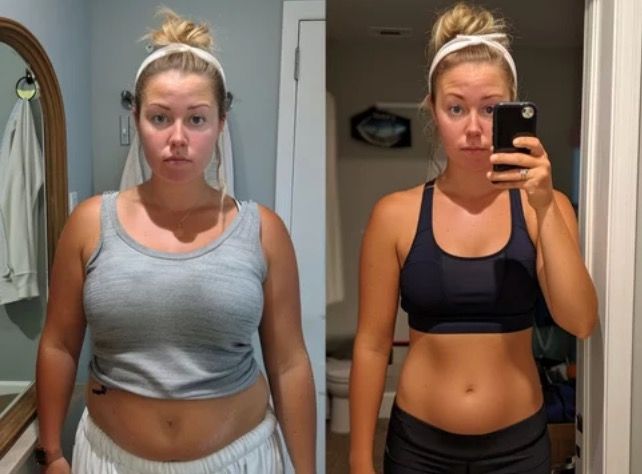
Testimonials
Patient
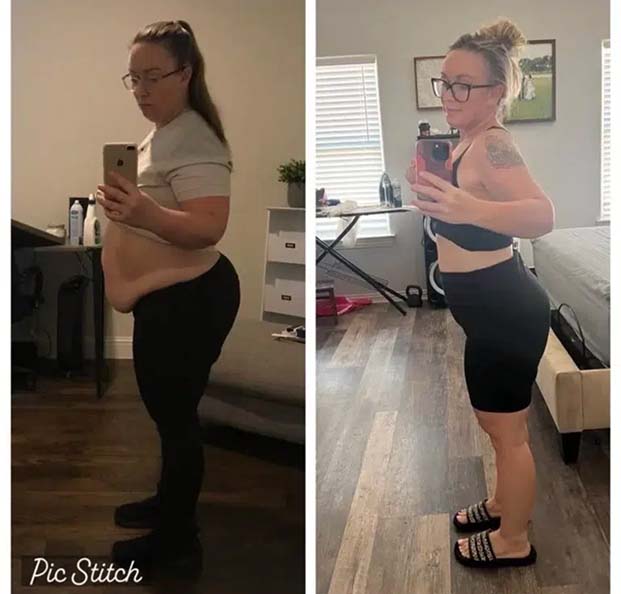
Ongoing research continues to evaluate the metabolic effects of retatrutide therapy in medically supervised weight-management programs. Patients participating in provider-guided care commonly report improvements such as:
Appetite control
Eating consistency
Portion awareness
Energy stability
Body-composition trends over time
Long-term adherence to wellness routines
Because every patient responds differently, providers adjust treatment plans according to progress and clinical evaluation throughout therapy. Structured follow-up care helps support safe and sustainable outcomes during treatment.

Common
As with many injectable metabolic therapies, some patients may experience temporary side effects during adjustment periods.
Potential side effects may include:
Nausea
Digestive discomfort
Appetite-related changes
Temporary fatigue
Providers monitor patient progress throughout treatment and may adjust dosing strategies when necessary to support comfort and safety.
Why Choose
Patients throughout Midlothian and surrounding Ellis County communities choose PRP Treatment Clinic for physician-guided peptide therapy delivered through structured telehealth care.
Our treatment approach includes:
Licensed provider supervision
Individualized dosing strategies
Secure virtual consultations
Medication shipment to eligible patients
Structured follow-up monitoring visits
Personalized metabolic-support planning
This process allows Midlothian residents to access advanced medical weight-management support while remaining under continuous provider supervision throughout treatment.
Retatrutide is being studied for its potential role in medical weight management and metabolic regulation.
Retatrutide activates GLP-1, GIP, and glucagon receptor pathways associated with appetite signaling and energy balance.
Retatrutide remains under clinical investigation and has not yet received FDA approval.
Some individuals notice appetite-related changes within several weeks, while body-composition changes generally develop gradually over time.
Semaglutide primarily targets one receptor pathway, while retatrutide activates three metabolic receptor systems simultaneously.
Eligibility depends on BMI, medical history, metabolic concerns, and provider evaluation.
Possible side effects may include nausea, digestive changes, appetite changes, or temporary fatigue during adjustment periods.
Treatment timelines vary depending on provider recommendations, patient goals, and treatment response.
Yes. Eligible patients in Midlothian may complete consultation virtually and receive medication shipment if approved.
Yes. Retatrutide therapy requires medical evaluation and supervision by licensed healthcare providers.

MEDICAL WEIGHT LOSS(RETATRUTIDE)
EFFECTIVE. REAL RESULTS THAT LAST.

PATIENTS TREATED ACROSS DIFFERENT STATES
MEDICAL WEIGHT
LOSS(RETATRUTIDE)
Offer expires 7/31/2026. New appointments only.
One of the Top Medical Weight Loss providers in Texas. Getting patientd from the entire USA.