
According to the U.S. News Healthiest Communities report for St. Louis County, nearly 35 percent of adults live with obesity, contributing to some of the region’s highest rates of cardiovascular disease and Type 2 diabetes. Additional data from the Missouri Department of Health and Senior Services show that about 11.7 percent of adults statewide are diagnosed with diabetes, while thousands more remain undiagnosed. These chronic conditions are often tied to lifestyle patterns common across the metro — long commutes, barbecue-heavy diets, and limited time for physical activity during hot, humid summers.
Retatrutide weight loss injections in St. Louis MO provide a structured medical solution to these challenges. Developed by Eli Lilly and validated in the New England Journal of Medicine, this triple hormone receptor agonist targets three pathways — GLP-1, GIP, and glucagon — to regulate appetite, improve insulin sensitivity, and enhance fat metabolism. Guided by medical oversight and supported through PRP Treatment Clinic, patients experience sustainable fat reduction, renewed energy, and healthier habits without restrictive dieting.
PRP Treatment Clinic supports patients throughout the greater St. Louis region, including:
Our telehealth program extends across Missouri and southern Illinois, giving residents flexible options to access medical weight loss in St. Louis while managing busy commutes, work shifts, and family schedules.
Medications like Semaglutide (Ozempic®, Wegovy®) and Tirzepatide (Mounjaro®, Zepbound®) have already made a huge impact on weight management. Retatrutide builds on their success by working on three hormonal pathways instead of just one or two.
| Medication | GLP‑1 | GIP | Glucagon | Avg. Weight Loss (48 wks) |
|---|---|---|---|---|
| Semaglutide | ✅ | ❌ | ❌ | ~15% |
| Tirzepatide | ✅ | ✅ | ❌ | ~21% |
| Retatrutide | ✅ | ✅ | ✅ | ~24% |
GLP‑1: Suppresses appetite and slows digestion so you feel full longer.
GIP: Stimulates insulin release and supports better glucose control.
Glucagon receptor activation: Boosts fat metabolism and increases calorie burn.
This triple action means Retatrutide can help patients see faster, more substantial weight loss while maintaining muscle mass.
Retatrutide is a synthetic peptide that mimics the action of key gut hormones. These hormones tell your brain when you’re full, influence how your body uses energy, and determine whether calories are stored as fat or burned as fuel.

This synergistic approach creates consistent fat loss and metabolic control for long-term sustainability.
You may qualify for retatrutide weight loss injections St. Louis MO if you meet one or more of the following:
This medical weight loss program in St. Louis is ideal for adults facing sedentary office jobs, frequent dining out, and irregular exercise schedules.
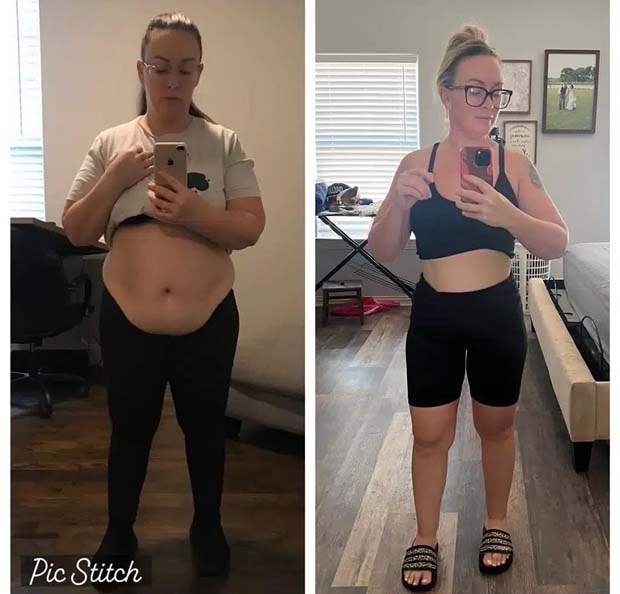

Each step ensures a guided experience rooted in evidence-based practice.
During your first visit, you’ll receive a complete health review to design your personalized retatrutide dosing protocol:
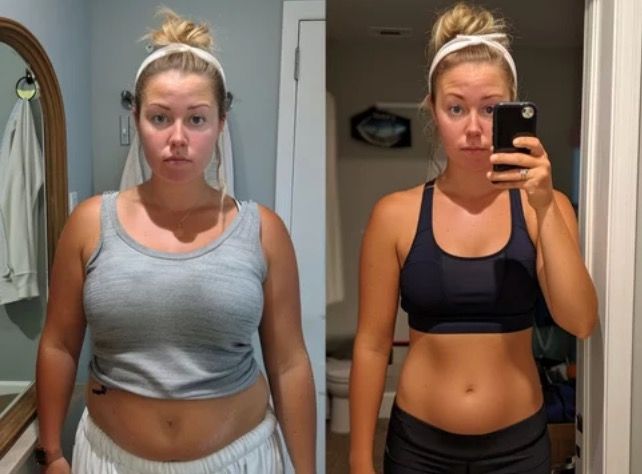

Month 1:
Appetite reduction and early portion control; possible mild digestive changes.
Months 2–3:
Noticeable weight loss, better energy for work and daily activity.
Months 4–6:
Significant body composition changes; improved confidence and mobility.
6+ Months:
Transition to maintenance mode with lifestyle habits in place.
Patients report improved stamina during events like the Forest Park Balloon Glow and downtown festivals.


Retatrutide helps locals stay active through seasonal changes — from hot summers to cold winters — while maintaining steady results.
Common side effects are mild and manageable:
These small habits make treatment more comfortable year-round.

PRP Treatment Clinic provides structured care through:
Each patient receives physician guidance tailored to St. Louis’s active but food-centric culture.
Program pricing depends on your dose, duration, and lab results. Packages typically include:
Full details are reviewed during your free weight loss consultation St. Louis.

Retatrutide is being studied as an investigational metabolic therapy that targets multiple hormone pathways involved in appetite regulation, glucose balance, and energy expenditure. In a supervised clinical setting, it may be incorporated into a structured medical weight management plan for eligible patients.
Treatment is individualized and overseen by licensed providers. The focus is steady, sustainable progress with medical monitoring rather than rapid, unsupervised weight loss.
Retatrutide is currently investigational and has not been approved by the FDA as a commercial weight loss medication. Access is typically provided through medically supervised programs that follow appropriate screening and compliance protocols.
A medical consultation is required to determine eligibility and review potential risks, benefits, and alternatives before starting treatment.
Candidates are generally evaluated based on BMI, weight history, metabolic health indicators, and overall medical profile. Providers also review current medications, endocrine history, and prior experience with weight loss therapies.
Eligibility is determined through individualized screening. Not every patient qualifies, and recommendations are made based on clinical assessment.
Retatrutide is designed to affect hormone pathways that regulate hunger and fullness. Some patients report improved satiety and fewer persistent cravings while under supervised care.
Individual response varies and is evaluated during follow-ups. Providers monitor tolerance and adjust treatment plans when clinically appropriate.
The most frequently reported side effects are gastrointestinal, especially during early treatment or dose adjustments. These may include nausea, reduced appetite, reflux, constipation, diarrhea, or mild abdominal discomfort.
Providers typically use gradual titration and nutrition guidance to help improve tolerance. Persistent or severe symptoms should be discussed promptly.
Many patients tolerate therapy better with smaller meals, steady hydration, and consistent protein intake. Avoiding large or high-fat meals during dose adjustments may also reduce nausea for some individuals.
Providers emphasize sustainable nutrition strategies rather than restrictive dieting. Comfort and consistency are important for adherence.
Depending on your health history and risk factors, baseline labs may be recommended prior to beginning treatment. Labs can help establish a safety baseline and guide monitoring during therapy.
Your provider will determine what testing is appropriate based on your clinical profile.
Follow-ups are typically more frequent during the initial titration phase to evaluate tolerance, appetite changes, and weight trends. Once dosing stabilizes, visit frequency may be adjusted.
Ongoing monitoring supports safety, responsible prescribing, and sustainable outcomes.
All medical conditions and current medications must be reviewed during your consultation. Providers carefully assess safety considerations and potential interactions before recommending treatment.
Treatment decisions are made individually and only when clinically appropriate.
The first step is scheduling a medical consultation with a licensed provider. Your health history, medications, goals, and eligibility will be reviewed, and labs may be recommended if clinically indicated.
If appropriate, you’ll receive a personalized treatment plan with dosing guidance and structured follow-ups. Care is provided under medical supervision with informed consent and patient education.

MEDICAL WEIGHT LOSS(RETATRUTIDE)
EFFECTIVE. REAL RESULTS THAT LAST.

PATIENTS TREATED ACROSS DIFFERENT STATES
MEDICAL WEIGHT
LOSS(RETATRUTIDE)
Offer expires 7/31/2026. New appointments only.
One of the Top Medical Weight Loss providers in Texas. Getting patientd from the entire USA.