If you’ve been researching platelet-rich plasma (PRP) for your face, hair, or joints, you’ve likely wondered, “Is PRP covered by insurance?”
It’s one of the most common questions we get here at PRP Treatment Clinic—and for good reason. Platelet-rich plasma therapy has grown in popularity for both cosmetic and medical use, from glowing skin to joint repair.
The answer is sometimes yes, sometimes no. It depends on several factors, including the reason for treatment, your provider’s documentation, and how platelet-rich plasma injections are coded for reimbursement. While most insurance companies do not cover cosmetic PRP injections, some insurance companies cover PRP for orthopedic conditions when proper medical records are provided.
At PRP Treatment Clinic, our master nurse injectors specialize in both aesthetic and therapeutic PRP across eight Texas locations: Dallas, Austin, Plano, The Woodlands, Argyle, Colleyville, Waxahachie, and Fort Worth. During your free consultation, we’ll review your goals, treatment plan, costs, and whether insurance covers PRP for your condition or if HSA/FSA options could reduce your out-of-pocket expenses.
Why PRP Coverage Is Complicated
Unlike Botox or fillers, PRP is made from your own blood. While it’s widely used in medicine, it doesn’t have a single “insurance code” that applies universally. Instead, coverage depends on:
- Medical Necessity: Insurance is more likely to cover PRP for injuries or pain than for cosmetic use.
- Treatment Area: Orthopedic conditions may qualify; skin and hair generally do not.
- Plan Rules: Some insurers exclude regenerative medicine altogether.
- Documentation: The more medical records you provide, the better your chances of coverage.
PRP for Orthopedic Conditions: Sometimes Covered
PRP is commonly used for joint and tendon pain, including:
- Knee arthritis
- Rotator cuff injuries
- Tennis or golfer’s elbow
- Plantar fasciitis
- Tendinitis
How Insurance Sometimes Covers It
- Some insurers consider PRP for musculoskeletal conditions “emerging but promising.”
- Coverage may be granted if conservative treatments (physical therapy, medications, cortisone shots) have failed.
- A superbill (detailed invoice with diagnosis codes) can sometimes be submitted for reimbursement, even if the clinic doesn’t bill insurance directly.
At PRP Treatment Clinic, we provide superbills for orthopedic PRP upon request, so you can submit to your insurance or HSA/FSA administrator.
PRP for Cosmetic Concerns: Rarely Covered
When PRP is used for aesthetic purposes, it’s almost never covered by insurance. These treatments include:
- PRP microneedling (vampire facial) for skin rejuvenation
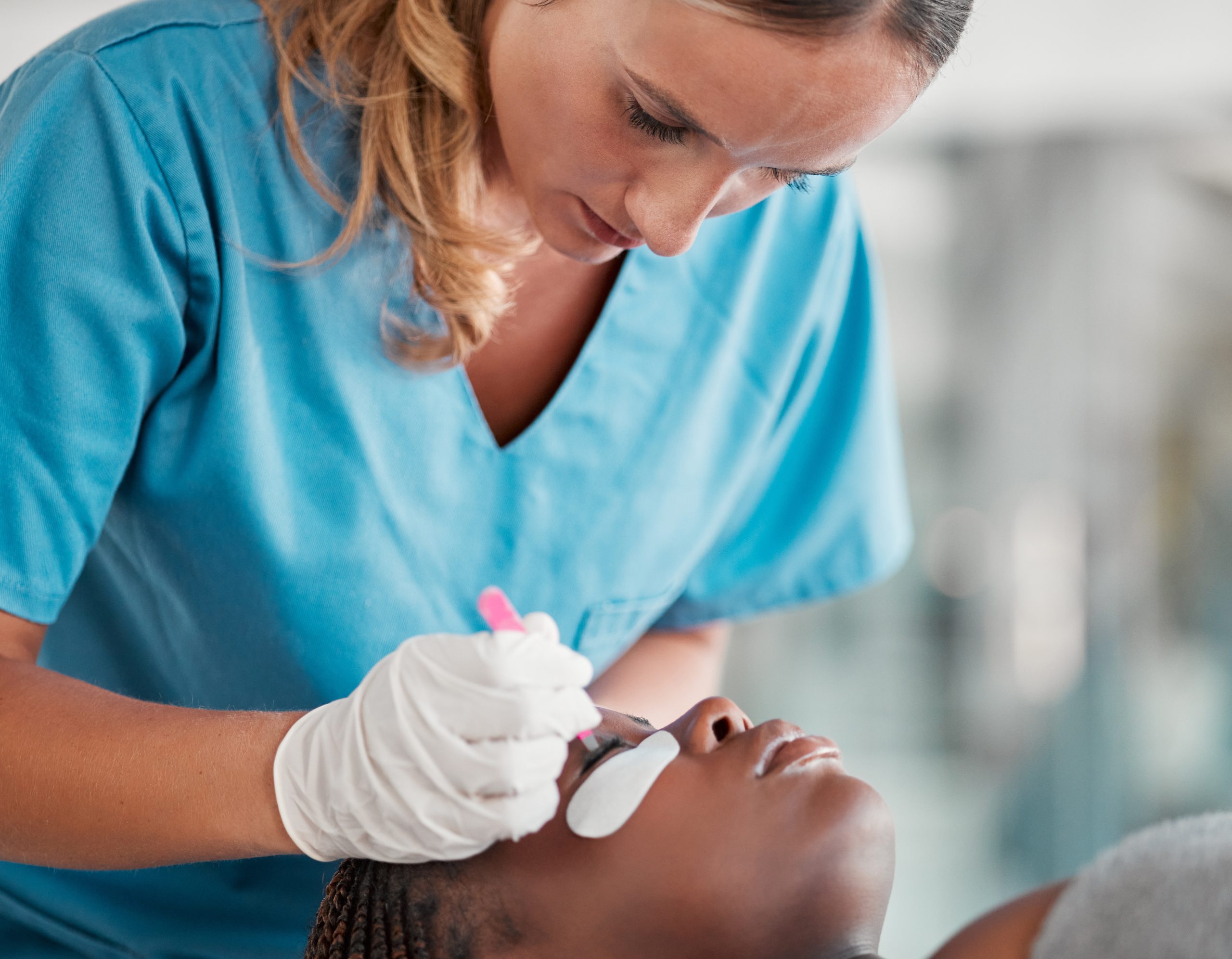
- Under-Eye PRP for dark circles
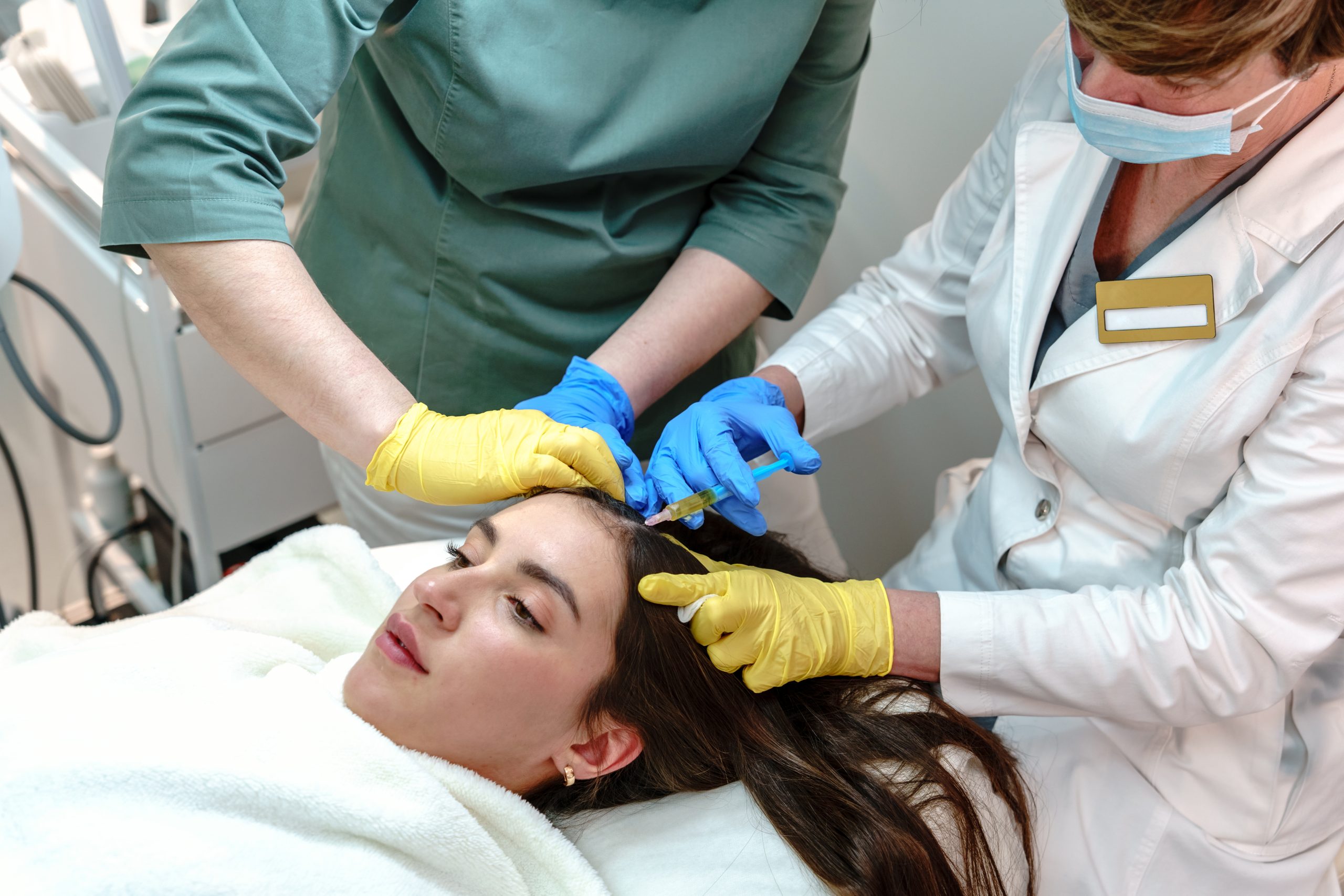
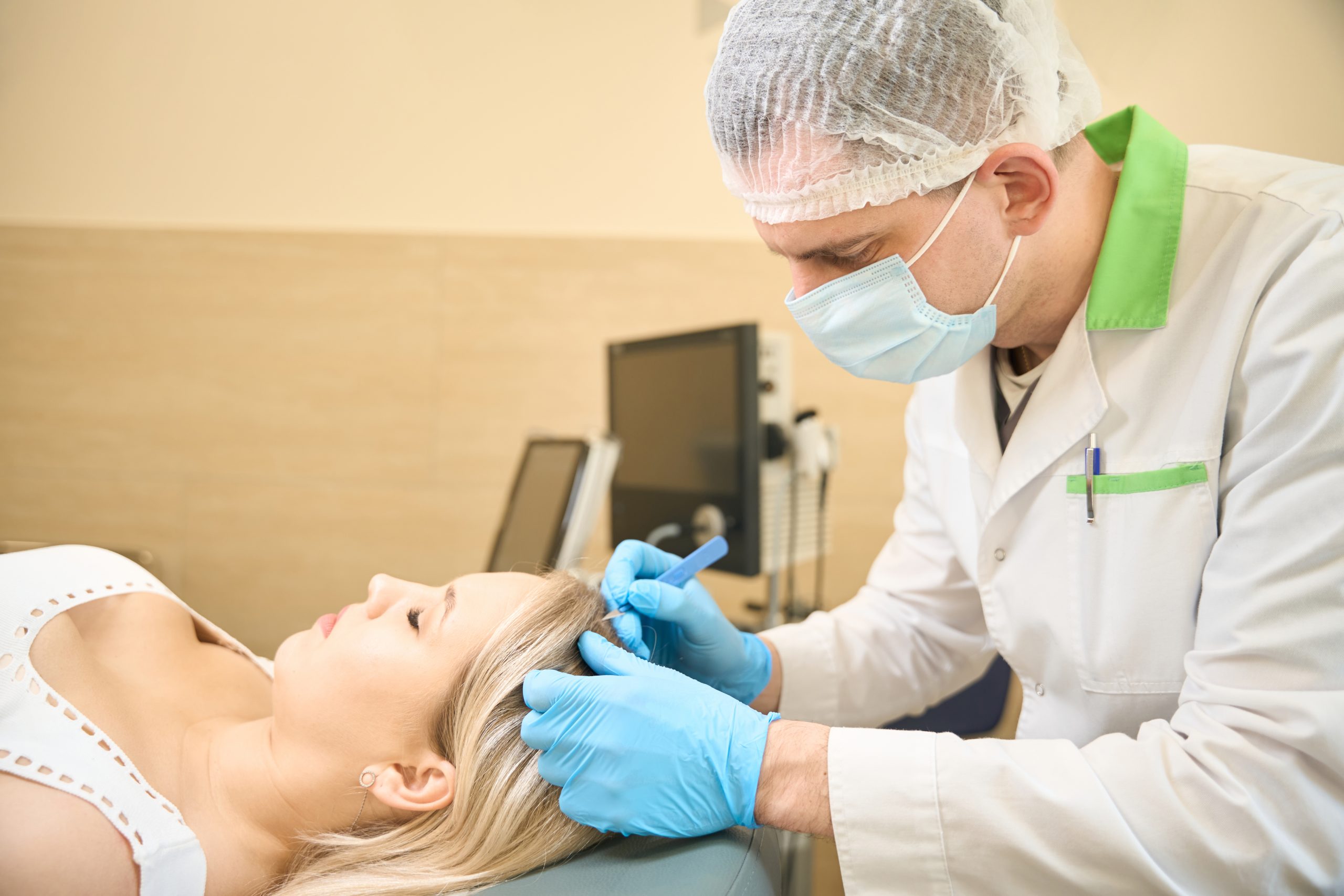
- PRP hair restoration for thinning hair
Why? Insurance companies classify these as elective, non-medically necessary procedures.
How Patients Still Save
Even if insurance won’t pay, patients often use:
- HSA/FSA Accounts: Cosmetic PRP usually isn’t eligible, but if hair loss is linked to a medical condition (e.g., alopecia areata), some plans allow it with documentation.
- Packages & Financing: Multi-session packages lower the cost per treatment, and monthly financing makes budgeting easier.
What Is a Superbill and How Does It Work?
A superbill is a detailed invoice that includes:
- CPT code (procedure code)
- ICD-10 code (diagnosis code)
- Provider information
- Patient information
- Itemized charges
With a superbill, you can:
- Pay for treatment upfront.
- Submit the superbill to your insurance or HSA/FSA plan.
- Request reimbursement if your plan allows it.
At PRP Treatment Clinic, we regularly issue superbills for orthopedic patients, especially those using HSA/FSA funds.
Cost Transparency: What If Insurance Doesn’t Cover It?
We believe in transparency. Here’s what you can expect to pay if insurance won’t cover PRP:
- PRP for face (microneedling): $600–$1,000/session
- Under-eye PRP: $600–$900/session
- PRP for hair restoration: $700–$1,200/session
- PRP for joints (orthopedic): $700–$1,500/session
Packages of 3–4 sessions save 10–20% compared to single-session pricing.
FAQs About PRP and Insurance
Can my HSA/FSA cover PRP?
Yes, for orthopedic treatments or medically documented conditions. Cosmetic PRP is usually excluded.
Can you bill my insurance directly?
No, but we provide superbills for patients to submit.
If insurance denies PRP, do I have options?
Yes. We offer package savings and financing to reduce upfront costs.
Why doesn’t insurance cover cosmetic PRP?
Insurers classify aesthetic treatments as elective, not medically necessary.
Why Patients Trust PRP Treatment Clinic
- Master Nurse Injectors: Expertise ensures safe, precise treatments.
- Free Consultations: Learn if insurance, HSA/FSA, or superbills apply to you.
- Transparency: Honest discussions about coverage, cost, and alternatives.
- Convenience: 8 Texas locations with consistent pricing.
- Trustworthiness: We’ll never overpromise about insurance reimbursement.
Take the Next Step
If you’re considering PRP for your skin, hair, or joints, don’t let insurance questions hold you back. At PRP Treatment Clinic, we’ll explain exactly what’s covered, what isn’t, and how you can use superbills, packages, or financing to make treatments affordable.
Schedule your free consultation today at our Dallas PRP Clinic or your nearest location: Austin, Plano, The Woodlands, Argyle, Colleyville, Waxahachie, Fort Worth.
Your health, comfort, and budget matter to us—and we’ll help you navigate every step of the process.