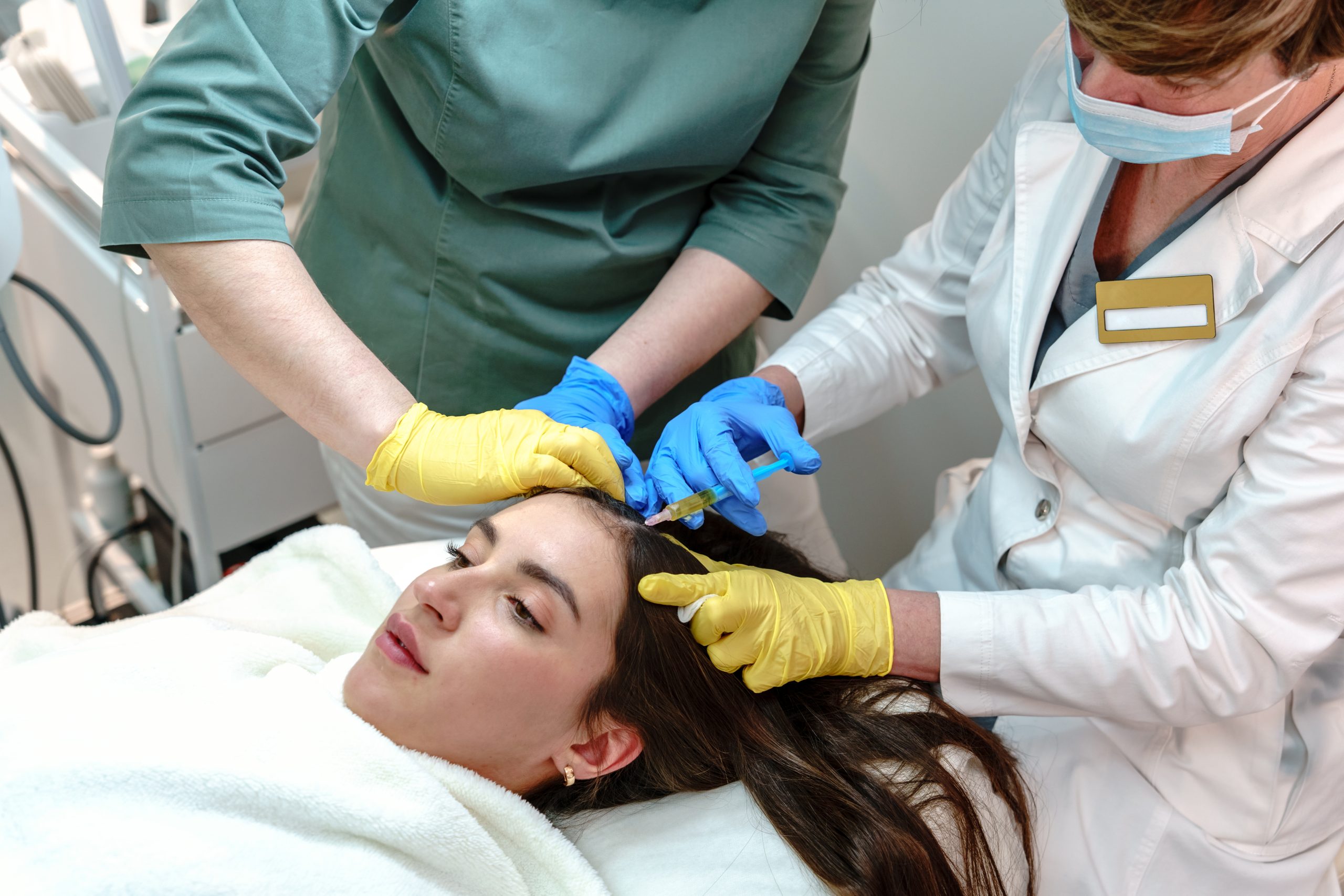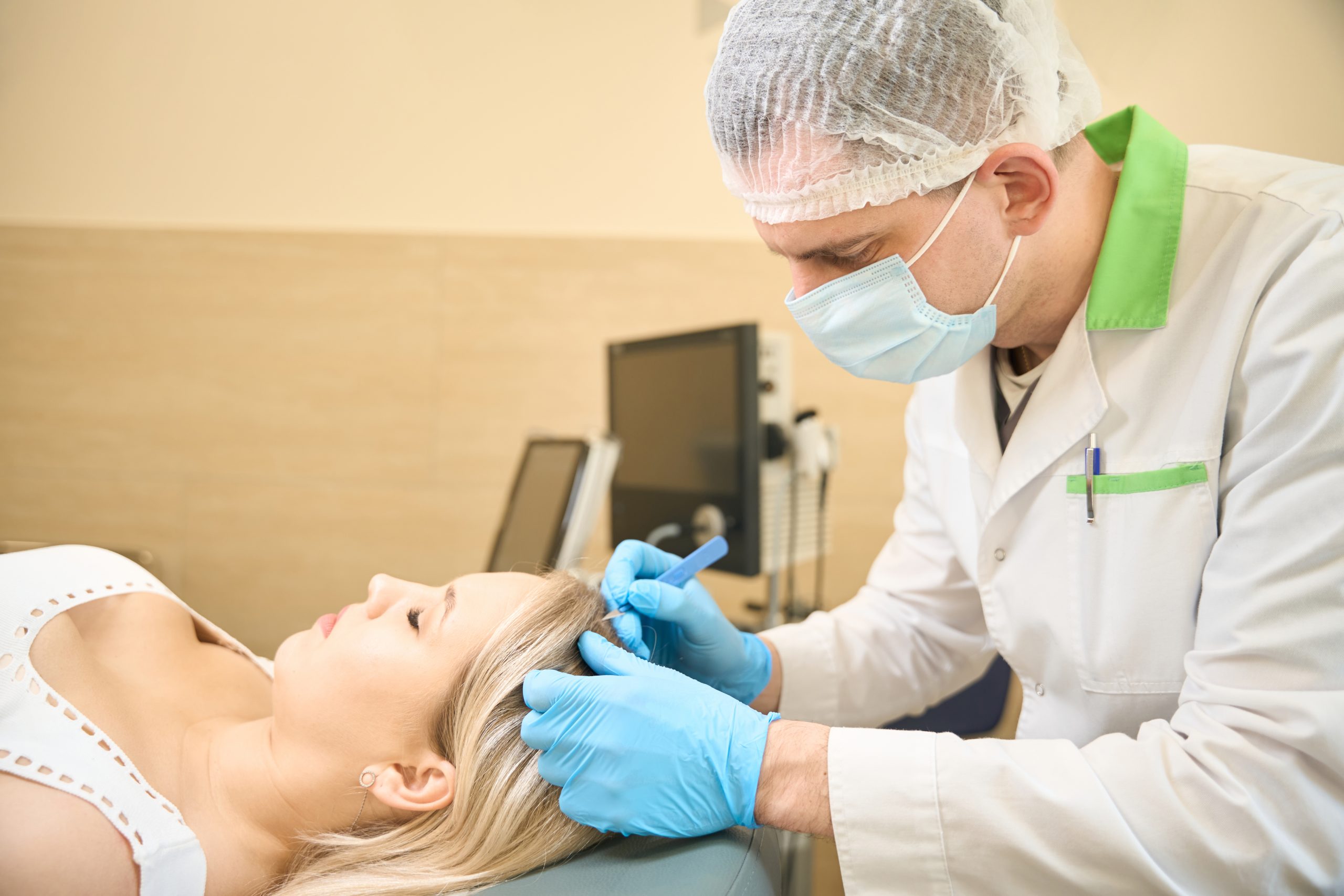
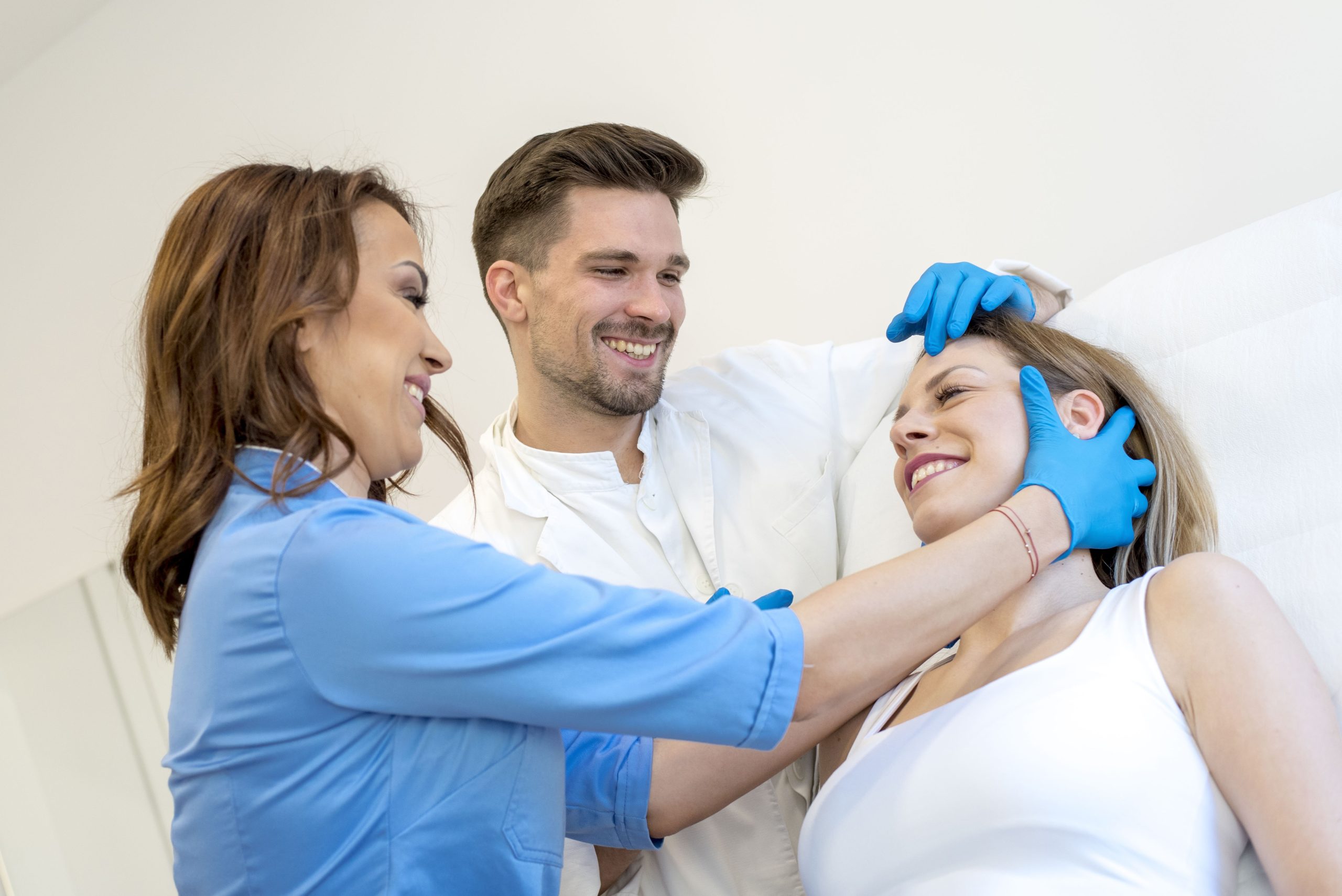
Researching how to choose a PRP clinic? Many clinics across Texas are now offering PRP therapy for everything from glowing skin to joint recovery and hair restoration. In recent years, platelet-rich plasma has become one of the most sought-after options in regenerative medicine, helping patients with hair loss and even conditions like degenerative joint disease and knee osteoarthritis.
But not every PRP provider is the same. Some cut corners with equipment or training, while others oversell add-ons that haven’t been clinically proven. Choosing the right team for your PRP injections can make all the difference between natural, long-lasting results and frustration—or worse, complications.
At PRP Treatment Clinic, we believe knowledge is power. That’s why we’ve created a practical buyer’s guide to help Texans evaluate PRP treatment clinics with confidence. You’ll also find key takeaways in a free downloadable PDF to keep as your personal checklist when comparing providers.
1. Who Performs the Treatment?
Question to Ask: Will my PRP be performed by a nurse injector, a physician, or a technician?
Why it matters:
- PRP involves blood draws, injections, and microneedling—all of which require training in anatomy and sterile technique.
- Some medspas use underqualified technicians, which increases risks.
At PRP Treatment Clinic, all procedures are performed by master nurse injectors with advanced training in regenerative medicine.
2. What Technology Do You Use to Process PRP?
Question to Ask: What centrifuge system and kits do you use?
Why it matters:
- High-quality centrifuges concentrate more platelets.
- Cheap or non-medical devices produce weak PRP, lowering results.
We use medical-grade centrifuges that produce consistent, high-quality PRP for every patient.
3. Do You Offer PRF As Well As PRP?
Question to Ask: Do you provide both PRP and PRF options?
Why it matters:
- PRP (Platelet-Rich Plasma): Releases growth factors quickly (fast results).
- PRF (Platelet-Rich Fibrin): Releases growth factors slowly over 7–10 days (longer-lasting results).
- A good clinic should offer both and explain when to choose one over the other.
At our clinics, we provide both PRP and PRF and explain which option best suits your goals.
4. Do You Provide Free Consultations?
Question to Ask: Can I meet with a provider for free before deciding?
Why it matters:
- Some clinics charge consultation fees or rush patients into treatments.
- A no-pressure, free consultation shows transparency and patient-first values.
At PRP Treatment Clinic, every patient gets a free consultation to discuss goals, medical history, and pricing before booking.
5. How Do You Handle Pain and Comfort?
Question to Ask: What numbing and comfort measures do you provide?
Why it matters:
- PRP involves needles; comfort matters for patient satisfaction.
- Look for clinics that use numbing cream, vibration analgesia, and aftercare kits.
We use a three-layer comfort protocol: medical-grade numbing cream, vibration devices, and a customized aftercare kit for every patient.
6. What Are Your Prices and Packages?
Question to Ask: What’s the cost per session, and do you offer packages?
Why it matters:
- Prices that seem “too good to be true” often are—cheap PRP can mean poor-quality equipment or untrained staff.
- Most patients need 3–4 treatments; package savings should be available.
We provide transparent pricing:
- PRP Face: $600–$1,000
- PRP Under-Eyes: $600–$900
- PRP Hair: $700–$1,200
- PRP Joints: $700–$1,500
Packages save 10–20% over single-session pricing.
7. Can You Provide a Superbill for Insurance or HSA/FSA?
Question to Ask: Do you provide superbills for orthopedic PRP?
Why it matters:
- Cosmetic PRP isn’t covered by insurance, but orthopedic PRP sometimes qualifies.
- A superbill allows you to submit charges for reimbursement or HSA/FSA use.
We provide superbills for orthopedic PRP treatments upon request.
8. What Do Past Patients Say?
Question to Ask: Can I see reviews or before/after photos?
Why it matters:
- Reviews reveal real patient experiences.
- Before/after photos demonstrate clinic skill and outcomes.
We proudly share testimonials and real results from patients across Texas.
9. What Safety Protocols Do You Follow?
Question to Ask: How do you ensure safety and sterility during treatment?
Why it matters:
- PRP requires sterile technique—any lapse increases the risk of infection.
- A professional clinic follows strict protocols and has medical oversight.
At PRP Treatment Clinic, we follow medical-grade sterilization protocols, and every treatment is supervised by a licensed medical director.
Checklist: 9 Questions Before Booking PRP in Texas
Here’s your free downloadable checklist to bring to any consultation:
- Who performs the treatment?
- What centrifuge and kits are used?
- Do you offer both PRP and PRF?
- Do you provide free consultations?
- How do you manage comfort and pain?
- What’s the cost per session, and are packages available?
- Can you provide a superbill for orthopedic PRP?
- Do you have patient reviews and before/after photos?
- What safety protocols do you follow?
Download the PRP Buyer’s Guide Checklist (PDF)
Why Choose PRP Treatment Clinic
- Master Nurse Injectors: Expert providers for every patient.
- Free Consultations: No pressure, no upfront costs.
- Transparency: Clear pricing, packages, and honest recommendations.
- Convenience: 8 locations across Texas, including Dallas, Austin, The Woodlands, and more.
- Ethics First: If PRP isn’t right for you, we’ll recommend safer alternatives.
Conclusion
Choosing a PRP clinic shouldn’t feel overwhelming. With the right questions, you can feel confident and safe.
Start with a free consultation with one of our master nurse injectors at our Dallas PRP Clinic or your nearest location: Austin, Plano, The Woodlands, Argyle, Colleyville, Waxahachie, Fort Worth.
Bring your checklist, ask the right questions, and discover why patients across Texas trust us for safe, effective PRP care.