
New York is a city that never slows down — and neither do its residents. Between long commutes, fast-paced careers, and a social scene that stretches from early morning coffee to late-night dinners, it can feel impossible to lose weight and keep it off. That’s why Injectco – PRP Treatment Clinic offers Retatrutide injections through a doctor-supervised program designed to fit into even the busiest NYC lifestyle.
Our program gives you: No-cost initial consultation – in-office or virtual; Same-day medication delivery anywhere in New York State; Licensed nurse & nurse practitioner care under direct MD supervision; A personalized plan that works with your schedule.
Retatrutide is one of the most advanced weight loss peptides in development. In research published in The New England Journal of Medicine, patients lost up to 24.2% of their body weight in 48 weeks — results that could change how you live and feel in the city.
From Wall Street to Washington Heights, we help patients in:
You can start your program without leaving your neighborhood — with telehealth visits and discreet same‑day shipping to your door.
While medications like Semaglutide (Ozempic®, Wegovy®) and Tirzepatide (Mounjaro®, Zepbound®) have changed how we treat obesity, Retatrutide takes the science further.
| Medication | GLP‑1 Activation | GIP Activation | Glucagon Activation | Avg. Weight Loss (48 wks) |
|---|---|---|---|---|
| Semaglutide | ✅ | ❌ | ❌ | ~15% |
| Tirzepatide | ✅ | ✅ | ❌ | ~21% |
| Retatrutide | ✅ | ✅ | ✅ | ~24% |
By stimulating three metabolic pathways — appetite control, insulin regulation, and fat metabolism — Retatrutide has demonstrated stronger average results in early studies while helping preserve lean muscle mass.
Retatrutide is a synthetic peptide that mimics the action of key gut hormones. These hormones tell your brain when you’re full, influence how your body uses energy, and determine whether calories are stored as fat or burned as fuel.
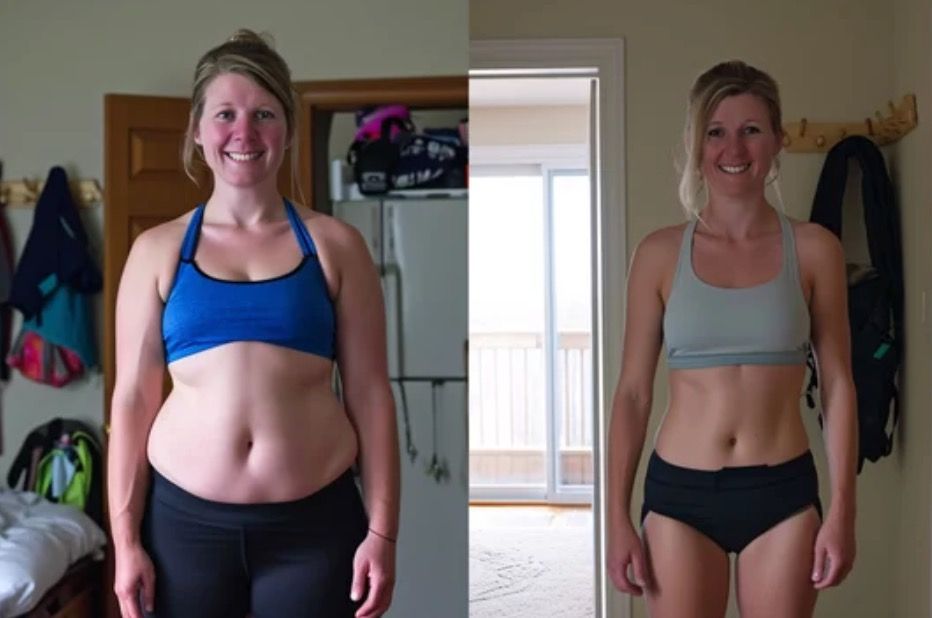
Think of Retatrutide as re‑training your body’s “fuel management system.” It mimics naturally occurring gut hormones that decide whether you store calories or burn them:
GLP‑1
Sends “full” signals to your brain and slows digestion so you stay satisfied longer — useful whether you’re grabbing lunch in Midtown or having dinner in Little Italy.
GIP
Improves insulin efficiency, keeping your energy steady from morning subway rides to evening workouts.
Glucagon Receptor Activation
Encourages your body to tap into stored fat for fuel, supporting faster fat loss.
This city demands energy — whether you’re climbing subway stairs, rushing between meetings, or enjoying weekends at Central Park. Retatrutide can help you:
Have more stamina for activities like the NYC Marathon, walking the High Line, or exploring new neighborhoods on foot
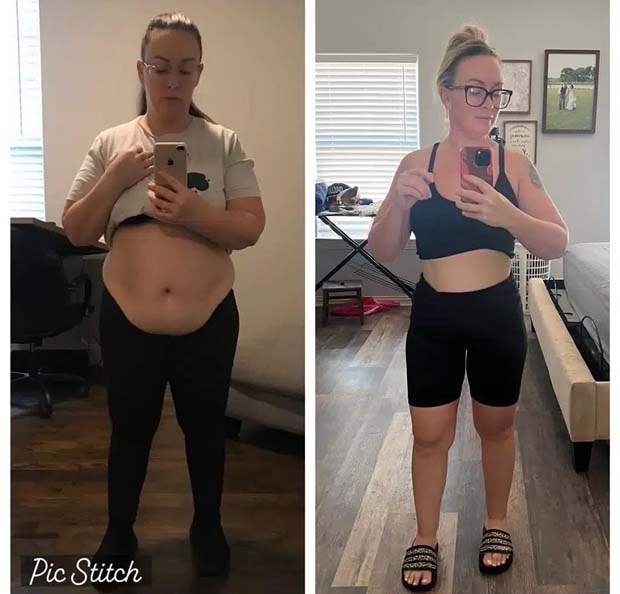

We may recommend Retatrutide if you:
We confirm suitability during your free consultation before prescribing.
During your first visit (in person or via telehealth), our team will:
If approved, we’ll ship your prescription that same day in discreet packaging.
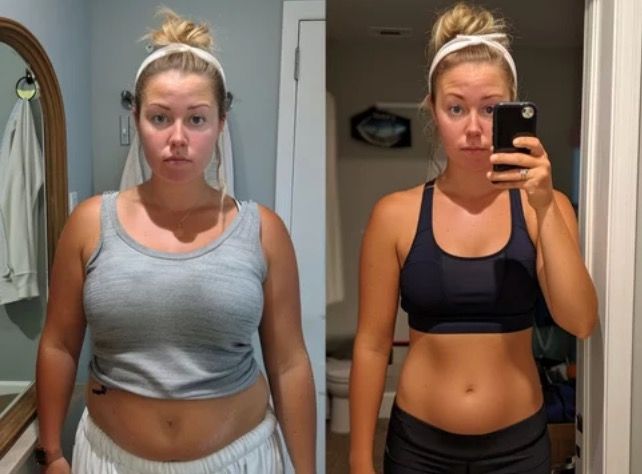

Retatrutide treatment is tailored to your progress and comfort level:
Choose between self-injecting after training or visiting our clinic for administration
Month 1:
Appetite changes become noticeable; portion sizes shrink naturally.
Months 2–3:
Steady, visible weight loss; energy improves for daily NYC life.
Months 4–6:
Stronger body transformation; more stamina for longer commutes and social events.
6+ Months:
Transition to maintenance with healthy habits firmly in place.
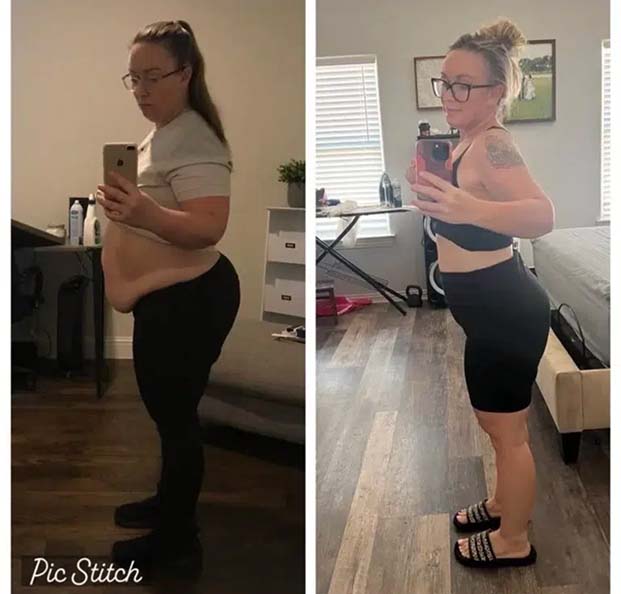

Clinical studies show:
Improvements in blood sugar, cholesterol, and blood pressure
Some patients experience:
These typically ease after a few weeks. We adjust your plan if needed to keep you comfortable.

Our all-inclusive program includes:
Costs depend on dose and program length. Visit prptreatmentclinic.com or call our NYC office for details.

Retatrutide is being studied as a prescription metabolic therapy that targets multiple hormone pathways involved in appetite regulation, glucose control, and energy balance. In a supervised medical program, it may support weight reduction by helping patients manage persistent hunger and metabolic resistance.
Treatment is individualized and based on clinical screening. The focus is safe, sustainable progress with provider oversight, not rapid or unsupervised weight loss.
Patients are generally evaluated based on BMI, weight history, and health risk factors that may be impacted by excess weight. Providers also review current medications, prior experience with metabolic therapies, and conditions that could affect safety or tolerance.
A consultation is required to determine candidacy. Not every patient qualifies, and the most appropriate treatment option is selected based on your clinical profile.
The first visit usually includes a medical history review, discussion of weight goals, and an overview of how the program works. Depending on your history, baseline labs may be recommended to guide safe planning and monitoring.
This appointment is also where expectations are set regarding dosing strategy, follow-up cadence, and potential side effects. The goal is informed consent and a plan tailored to your needs.
Retatrutide is designed to influence hormone signaling that impacts hunger and fullness. Some patients report improved appetite control, including reduced cravings and better ability to maintain portion structure.
Results vary between individuals, and changes are evaluated over time. Follow-up visits help assess response and adjust dosing responsibly when needed.
Weight reduction can improve certain metabolic risk markers, and Retatrutide is being studied for its broader metabolic effects. Patients with insulin resistance or other risk factors may be evaluated to see whether a supervised metabolic approach is appropriate.
If you have existing conditions, treatment should be coordinated with medical oversight. Screening and monitoring are part of safe prescribing.
Gastrointestinal symptoms are the most commonly reported, especially during titration. These can include nausea, reflux, constipation, decreased appetite, or a sense of fullness.
Providers typically manage tolerance through gradual dose progression and practical nutrition guidance. Any persistent or worsening symptoms should be discussed promptly.
Many patients do better with smaller meals, steady hydration, and consistent protein intake, especially early on. Eating slowly and avoiding large, heavy meals can also help reduce nausea for some individuals.
Your provider may recommend realistic adjustments rather than strict dieting. The focus is an approach you can maintain long term.
Yes. Follow-ups help track progress, evaluate side effects, and support safe dose decisions. Depending on your plan, labs may be monitored when clinically indicated.
Regular monitoring supports steady, sustainable outcomes. It also allows providers to adjust guidance based on your response.
Plateaus can happen due to stress, sleep disruption, inconsistent nutrition, changes in activity, or metabolic adaptation. Providers look at trends over time rather than short-term fluctuations.
If needed, they may refine nutrition structure, activity guidance, or dose strategy. The goal is safe progress that remains sustainable.
Start by scheduling a medical consultation with a licensed provider. Your provider will review your medical history, goals, medications, and eligibility, and may recommend baseline labs depending on your profile.
If appropriate, you’ll receive an individualized plan with dosing guidance and structured follow-ups. Treatment is provided under medical oversight with patient education and informed consent.