
Living in Los Angeles means balancing career demands, social life, and a vibrant outdoor culture — all while staying active and looking your best. For many, traditional diets and exercise alone don’t deliver the results they want. That’s why Injectco – PRP Treatment Clinic offers Retatrutide injections through a fully guided, physician-supervised program designed for sustainable weight loss.
Our LA patients enjoy: Free initial consultations (in-person or via telehealth); Same-day prescription shipping anywhere in California; Licensed nurse & nurse practitioner care with direct MD oversight; Tailored treatment plans with consistent follow-up.
Retatrutide, developed by Eli Lilly, is a triple‑mechanism peptide currently in clinical trials. In a landmark study published in The New England Journal of Medicine, patients lost up to 24.2% of their body weight over 48 weeks.
From the coast to the valley, we treat patients in:
No matter where you live — from the beachside bike paths of Venice to the hills of Calabasas — you can start your Retatrutide program through telehealth or an in-office visit, with discreet same‑day shipping available.
Many have heard of Semaglutide (Ozempic®, Wegovy®) or Tirzepatide (Mounjaro®, Zepbound®). Retatrutide builds on these by activating three metabolic pathways instead of one or two:
GLP‑1 activation → Reduces appetite and slows digestion
GIP activation → Improves insulin sensitivity and helps regulate blood sugar
Glucagon receptor activation → Increases fat breakdown and boosts calorie expenditure
This triple mechanism has been linked to faster, more substantial weight loss compared to earlier GLP‑1 medications.

Retatrutide is a synthetic peptide that mimics natural gut hormones. Here’s how it creates an environment for weight loss:
Early Satiety
Sends strong “full” signals to the brain earlier in a meal.
Sustained Fullness
Slows gastric emptying, so hunger returns more slowly.
Energy Stability
Keeps blood sugar from spiking and crashing.
Fat Mobilization
Encourages the body to use stored fat for fuel instead of glucose.
For Angelenos, this means having the energy for sunrise yoga on the beach, hiking Runyon Canyon before work, or enjoying a weekend at The Grove without constant cravings.
Retatrutide may be an option if you:
We confirm eligibility during your free consultation to ensure your plan is both safe and effective.
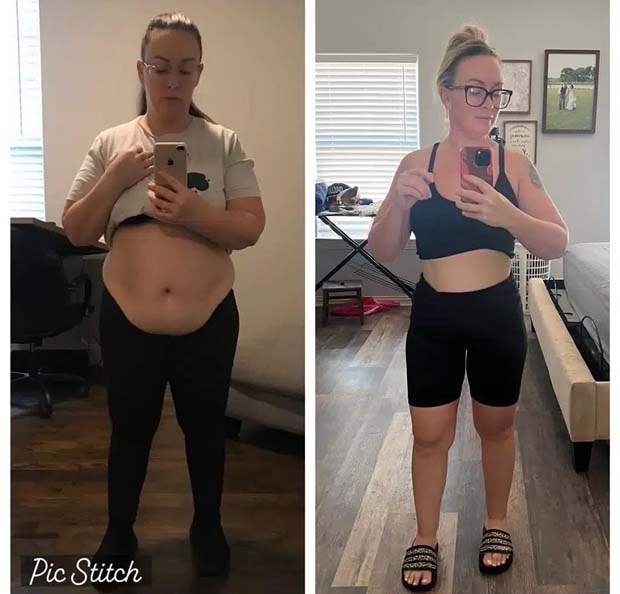

Our dosing process is guided by both clinical research and patient feedback:
Flexible administration: Self‑injection after nurse training, or in‑clinic administration for local patients
At your initial appointment (virtual or in-person), we will:
If you’re approved, your medication can be shipped the same day.


Month 1
Appetite decreases; smaller portions feel satisfying; possible mild digestive changes.
Months 2–3
Visible weight loss; clothing begins to fit differently; energy improves.
Months 4–6
Noticeable body composition changes; improved stamina for daily activities.
6+ Months
Maintenance mode; lifestyle habits become second nature.
Los Angeles residents lead active, diverse lives. Retatrutide supports:
Long-term balance – maintaining results even through LA’s restaurant and nightlife scene
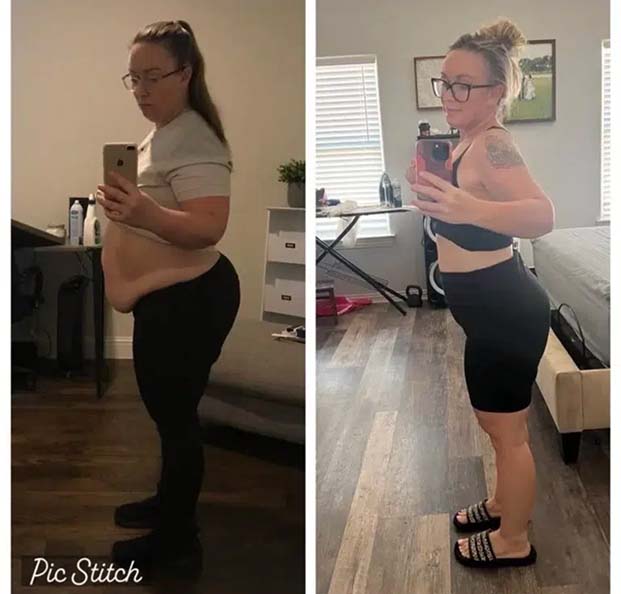

In clinical research:
Like other GLP‑1 medications, early side effects may include:
These usually improve within weeks. Our team monitors your progress and can adjust your plan to reduce discomfort.

Our all-inclusive pricing covers:
Cost depends on dosage and duration. Visit prptreatmentclinic.com or call our LA office for a personalized quote.

Retatrutide is being studied as a metabolic therapy that may support weight reduction by influencing hormone pathways involved in appetite regulation, glucose control, and energy balance. In a clinical setting, it’s used as part of a structured medical plan rather than a standalone quick fix.
In Los Angeles, the focus is on safe, measured progress with provider oversight. Treatment is individualized, and outcomes depend on patient-specific factors such as health history, adherence, and metabolic profile.
A medically supervised plan typically includes an initial evaluation, dosing guidance, and scheduled follow-ups to track progress and tolerance. Many programs also include nutrition support and lifestyle recommendations to improve adherence and long-term sustainability.
This approach helps keep expectations realistic and supports consistency. The goal is to build a plan you can maintain, not rely solely on the medication.
Some patients pursuing metabolic therapies report improved appetite control and reduced urges to snack, particularly when hunger cues feel persistent. Retatrutide is designed to influence hormonal appetite signaling, which may help reduce compulsive or habitual eating patterns.
Results vary between individuals. Follow-ups help providers adjust dosing and reinforce nutrition strategies that support steady progress.
If a dose is missed, the next step depends on timing and your specific protocol. In general, you should not “double up” without provider instruction.
Contact your clinic for guidance so your schedule can be adjusted safely. Consistency matters, but safety and proper dosing timing matter more.
Gastrointestinal changes can occur with metabolic medications, particularly during dose increases. Some patients experience nausea, fullness, reflux, constipation, or other mild digestive symptoms early on.
These effects often improve as the body adjusts and with appropriate nutrition and hydration strategies. If symptoms are persistent or severe, your provider should review your plan.
Patients with medication sensitivity may still be evaluated, but dosing strategy and monitoring become especially important. Gradual titration and close follow-up can help support tolerance.
Your Los Angeles provider will review your medical history and prior reactions. If risk is elevated, alternative options may be recommended.
Not always. Many medical programs prioritize consistent protein intake, hydration, and meal structure rather than strict calorie counting. Some patients do benefit from tracking in the early phase, but it depends on your goals and adherence style.
The most important factor is a plan you can sustain long term. Providers often focus on practical adjustments that fit your lifestyle.
In many cases, yes. Strength training and adequate protein intake are commonly recommended to support lean mass during weight loss. This can help improve body composition and functional outcomes.
Your plan should be individualized based on current fitness level and health conditions. Providers can help align nutrition, activity, and dosing to support safe progress.
Weight is one metric, but medical monitoring often includes symptom tolerance, appetite changes, energy, and metabolic markers when clinically indicated. Some plans also consider waist measurements, body composition trends, or adherence indicators.
The objective is sustainable, health-focused improvement. Follow-ups help ensure progress is steady and that side effects are managed responsibly.
Start with a medical consultation to review health history, goals, current medications, and candidacy. Your provider may recommend baseline labs depending on your clinical profile.
If appropriate, you’ll receive an individualized plan with dosing guidance and scheduled follow-ups. Treatment is provided under licensed medical oversight with patient education and informed consent.