
Losing weight and keeping it off is a challenge many Atlanta residents face, whether it’s balancing busy work schedules, family life, or a vibrant social scene. Injectco – PRP Treatment Clinic offers Retatrutide injections through a fully supervised medical program designed for safe, measurable, and lasting results.
Our patients benefit from: Free consultations – virtual or in-person; Same-day prescription shipping anywhere in Georgia; Licensed nurse & nurse practitioner care under MD supervision; A personalized, step-by-step plan with ongoing support.
Retatrutide, developed by Eli Lilly, is one of the most advanced triple‑mechanism peptides in clinical trials. In studies, participants lost up to 24.2% of their body weight in 48 weeks (The New England Journal of Medicine, 2023).
We provide care to patients across Atlanta and surrounding communities, including:
Whether you live near Piedmont Park, commute through Midtown, or enjoy weekends at Kennesaw Mountain or the Atlanta BeltLine, we make it easy to start treatment with telehealth consultations and same-day discreet delivery.
Medications like Semaglutide (Ozempic®, Wegovy®) and Tirzepatide (Mounjaro®, Zepbound®) have already made a huge impact on weight management. Retatrutide builds on their success by working on three hormonal pathways instead of just one or two.
| Medication | GLP‑1 | GIP | Glucagon | Avg. Weight Loss (48 wks) |
|---|---|---|---|---|
| Semaglutide | ✅ | ❌ | ❌ | ~15% |
| Tirzepatide | ✅ | ✅ | ❌ | ~21% |
| Retatrutide | ✅ | ✅ | ✅ | ~24% |
GLP‑1: Suppresses appetite and slows digestion so you feel full longer.
GIP: Stimulates insulin release and supports better glucose control.
Glucagon receptor activation: Boosts fat metabolism and increases calorie burn.
This triple action means Retatrutide can help patients see faster, more substantial weight loss while maintaining muscle mass.
Retatrutide is a synthetic peptide that mimics the action of key gut hormones. These hormones tell your brain when you’re full, influence how your body uses energy, and determine whether calories are stored as fat or burned as fuel.

For Atlanta patients, this means:
Feeling satisfied sooner
During meals – leading to smaller portions naturally.
Longer-lasting fullness
Reducing between-meal snacking.
Steadier energy levels
Fewer sugar highs and crashes.
Better fat utilization
Tapping into stored fat during daily activity.
Whether you’re jogging around Chastain Park, biking the Silver Comet Trail, or simply keeping up with daily life, these effects make weight loss more manageable.
Retatrutide may be right for you if you:
We determine eligibility during your free consultation to ensure safety and the best possible outcomes.
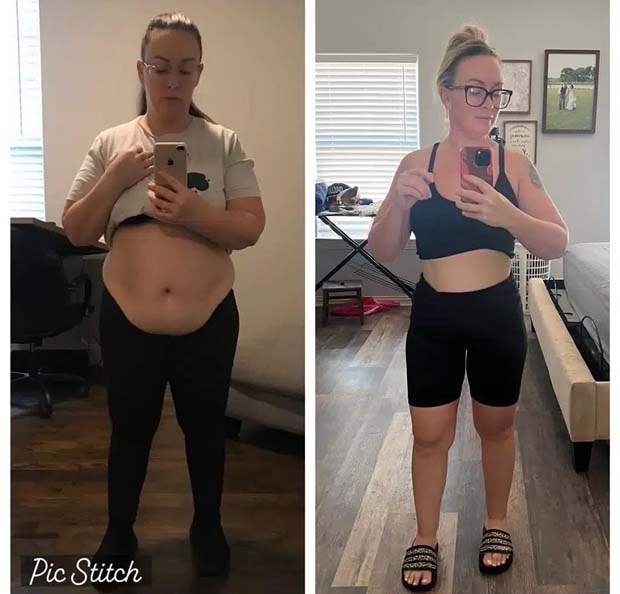

Our dosing protocol is personalized and closely monitored by our clinical team:
Step 1 – Starting Phase
Small weekly dose to allow your body to adjust.
Step 2 – Titration
Gradual increases every 4 weeks until you reach maintenance (often 4 mg weekly).
Step 3 – Precision Measurement
Compounded 5 mg vials at 2.5 mg/mL; 4 mg = 1.6 mL injection (160 units).
Step 4 – Administration
Self-inject after nurse training or receive in-office administration.
We monitor your progress through regular check-ins and can adjust dosing if needed.
During your initial visit (virtual or in-person), you’ll:
If you’re approved, we can ship your medication the same day in discreet packaging.


Month 1:
Appetite reduction and early portion control; possible mild digestive changes.
Months 2–3:
Noticeable weight loss, better energy for work and daily activity.
Months 4–6:
Significant body composition changes; improved confidence and mobility.
6+ Months:
Transition to maintenance mode with lifestyle habits in place.
Clinical trials show:
Improvements in blood sugar, cholesterol, and blood pressure


Retatrutide can help you:
Feel more confident in both casual and formal settings
Early side effects may include:
These often resolve in the first few weeks, and our team adjusts dosing to improve comfort.

Our all-inclusive program covers:
Pricing depends on dosage and program length. Get a personalized quote at prptreatmentclinic.com or by calling our Atlanta clinic.

Retatrutide is being studied as an investigational metabolic therapy that targets multiple hormone pathways involved in appetite regulation, glucose balance, and energy use. In a supervised medical setting, it may be incorporated into a structured weight management plan for eligible patients.
Treatment is individualized and overseen by licensed providers. The focus is responsible prescribing, steady progress, and ongoing monitoring rather than rapid or unsupervised weight loss.
Retatrutide is currently investigational and has not been approved by the FDA as a commercial weight loss medication. Access is typically provided through medically supervised programs that follow appropriate screening and compliance protocols.
A consultation is required to determine eligibility and review potential risks, benefits, and alternative treatment options.
Candidates are generally evaluated based on BMI, weight history, metabolic health indicators, and overall medical profile. Providers also review current medications, endocrine history, and prior experience with GLP-1–based therapies.
Eligibility is determined through individualized medical screening. Not every patient is a candidate, and recommendations are made based on clinical assessment.
Retatrutide is designed to influence hormone pathways that regulate hunger and fullness. Some patients report improved satiety and fewer persistent cravings when treatment is properly supervised.
Individual response varies and is evaluated during follow-ups. Providers monitor tolerance and adjust plans when clinically appropriate.
The most frequently reported side effects are gastrointestinal, particularly during early treatment or dose increases. These may include nausea, reduced appetite, reflux, constipation, diarrhea, or mild abdominal discomfort.
Providers typically use gradual dose titration and practical nutrition guidance to improve tolerance. Persistent or severe symptoms should be discussed promptly.
Smaller meals, steady hydration, and consistent protein intake often improve comfort during dose adjustments. Avoiding large or high-fat meals may help reduce nausea for some individuals.
Providers emphasize sustainable nutrition strategies rather than restrictive dieting. Comfort and adherence are priorities.
Depending on your health history and risk factors, baseline labs may be recommended before treatment begins. Labs can help establish a safety baseline and guide ongoing monitoring.
Your provider will determine what testing is appropriate based on your individual clinical profile.
Follow-ups are typically more frequent during the initial titration phase to assess tolerance, appetite changes, and weight trends. Once dosing stabilizes, the schedule may be adjusted.
Ongoing monitoring supports safety, accountability, and sustainable outcomes.
All current prescriptions, supplements, and medical conditions must be reviewed during your consultation. Providers carefully evaluate potential interactions and safety considerations before recommending treatment.
Combination therapy decisions are made individually and only when clinically appropriate.
The first step is scheduling a medical consultation with a licensed provider. Your health history, medications, goals, and eligibility will be reviewed, and labs may be recommended if clinically indicated.
If appropriate, you’ll receive a personalized treatment plan with dosing guidance and structured follow-ups. Care is provided under medical supervision with informed consent and patient education.