
Orlando is known for its energy — from the lights of International Drive to the crowds at the theme parks, there’s always something happening. But for many locals, balancing work, family, and year‑round activities makes it tough to focus on health goals. At Injectco – PRP Treatment Clinic, we bring Retatrutide injections to Orlando residents through a program that’s medically supervised, flexible, and proven to help you reach your target weight.
Why patients choose us: Free initial consultation — in person or virtual; Same‑day prescription shipping throughout Florida; Licensed nurses & nurse practitioners under MD supervision; Treatment plans tailored to Orlando lifestyles
Our patients come from all over Central Florida, including:
Whether you’re working long shifts in hospitality, teaching in Orange County schools, or commuting from the suburbs, you can join our program with no travel required — thanks to secure telehealth and home delivery.
Weight loss medications like Semaglutide and Tirzepatide have already made headlines, but Retatrutide is different. In early research, it delivered up to 24.2% body weight reduction in 48 weeks, thanks to its triple‑mechanism approach:
| Medication | GLP‑1 Activation | GIP Activation | Glucagon Activation | Avg. Weight Loss (48 wks) |
|---|---|---|---|---|
| Semaglutide | ✅ | ❌ | ❌ | ~15% |
| Tirzepatide | ✅ | ✅ | ❌ | ~21% |
| Retatrutide | ✅ | ✅ | ✅ | ~24% |
By targeting appetite control, insulin regulation, and fat metabolism together, Retatrutide helps create faster, more sustainable changes.
Living in Orlando means facing unique hurdles that can derail progress:

Hospitality & tourism shifts
Many jobs involve irregular hours, making meal timing a challenge.
Theme park dining
High-calorie meals and snacks are everywhere, from churros to loaded turkey legs.
Year-round warm weather
Great for outdoor activity, but also means more skin-exposed seasons, which can add pressure to reach body goals.
Event-heavy culture
Festivals, sports games, and food truck rallies make sticking to a strict plan difficult.
Our Retatrutide program is flexible enough to work around these realities, giving you tools to make better choices without sacrificing the things you love about living here.
Our Orlando patients tell us they need more than just a prescription — they need guidance that fits their routines. That’s why our program includes:
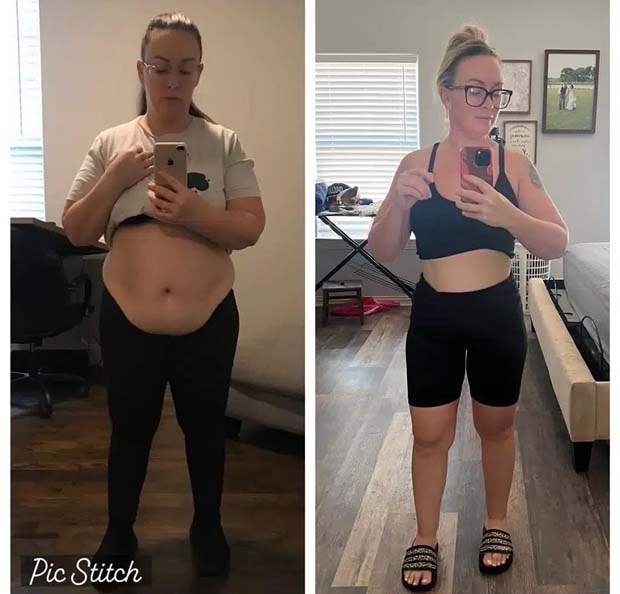

Retatrutide is a synthetic peptide that mimics hormones your body naturally produces:
GLP‑1 (Glucagon-like peptide-1)
Sends “full” signals to the brain and slows digestion, helping you eat less without feeling deprived. Imagine leaving a dinner at Disney Springs and not feeling tempted to grab dessert.
GIP (Gastric inhibitory polypeptide)
Improves insulin efficiency, keeping your energy steady during busy days at work or while running errands.
Glucagon activation
Increases fat metabolism, helping your body tap into stored energy — so whether you’re at the gym or walking Lake Eola, you’re burning more efficiently.
When you book your free consultation, you’ll:
If approved, your medication can be on its way that same day.
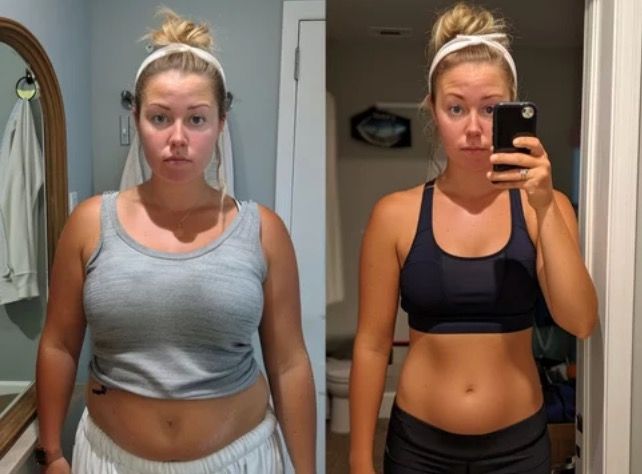

We personalize dosing to your comfort and progress:
Month 1
Appetite noticeably decreases; smaller portions are enough even at buffet-style meals.
Months 2–3
Weight loss becomes visible; energy levels rise for work and leisure.
Months 4–6
Clothing fits better; stamina improves for longer days on your feet.
6+ Months
Transition to maintenance; healthy eating patterns feel natural.


Based on clinical research:
Improvements in cholesterol, blood pressure, and glucose control
Early in treatment, you may notice:
These usually fade over time. We adjust your plan to keep you comfortable.

Our all-inclusive program covers:
Pricing depends on dosage and duration. Visit prptreatmentclinic.com or call our Orlando clinic for a personalized quote.

Retatrutide is being studied as a prescription metabolic therapy that targets multiple hormone pathways involved in appetite control, glucose regulation, and energy balance. In a clinical setting, it may be incorporated into a structured weight management plan for eligible patients.
Treatment is individualized and guided by licensed medical providers. The focus is steady, sustainable progress with ongoing monitoring rather than rapid weight reduction.
Patients are typically evaluated based on BMI, weight history, and metabolic risk factors. Providers also review medical history, current medications, and any conditions that could affect safety or tolerance.
A medical consultation is required before beginning therapy. Not all patients qualify, and recommendations are based on clinical screening and individualized goals.
The early phase often involves gradual dose increases to allow the body to adapt. Some patients experience temporary gastrointestinal symptoms such as nausea, fullness, or mild discomfort during titration.
Providers monitor response closely and adjust the plan if needed. Follow-up visits are an important part of maintaining safety and comfort.
Retatrutide is designed to act on hormonal signals that affect hunger and fullness. Some patients report improved appetite regulation, which may make structured meal planning easier to follow.
Individual responses vary. Ongoing monitoring helps determine whether dosing and nutrition strategies are appropriate for your needs.
Many patients do better with smaller meals, consistent protein intake, and adequate hydration—especially during dose adjustments. Avoiding large or high-fat meals may reduce digestive discomfort for some individuals.
Providers usually recommend realistic, sustainable habits rather than restrictive dieting. The goal is a long-term approach that supports both results and comfort.
In many cases, yes. Providers often encourage physical activity, including resistance training, to help support lean mass and overall metabolic health during weight reduction.
Exercise recommendations are tailored to your baseline fitness level and health profile. The plan should support safety and sustainability.
The most commonly reported side effects involve the digestive system, including nausea, decreased appetite, reflux, constipation, or a feeling of fullness. These are often more noticeable during dose changes.
If symptoms persist or interfere with daily activities, your provider may adjust the dosing schedule or offer supportive guidance. Communication is important throughout treatment.
Progress is typically tracked through weight trends, symptom review, appetite changes, and sometimes laboratory markers when clinically indicated. Providers evaluate overall health patterns rather than short-term fluctuations.
Follow-ups allow for individualized adjustments. Monitoring helps support steady and responsible outcomes.
Weight loss may slow due to stress, sleep patterns, metabolic adaptation, or changes in nutrition and activity. Providers evaluate trends over time rather than focusing on week-to-week changes.
If needed, they may refine nutrition structure, activity recommendations, or dose progression. The goal remains sustainable and safe progress.
The first step is scheduling a medical consultation. Your provider will review your health history, goals, and eligibility and may recommend baseline labs depending on your profile.
If appropriate, you will receive a personalized plan with dosing guidance and structured follow-ups. Treatment is provided under licensed medical oversight with patient education and informed consent.